
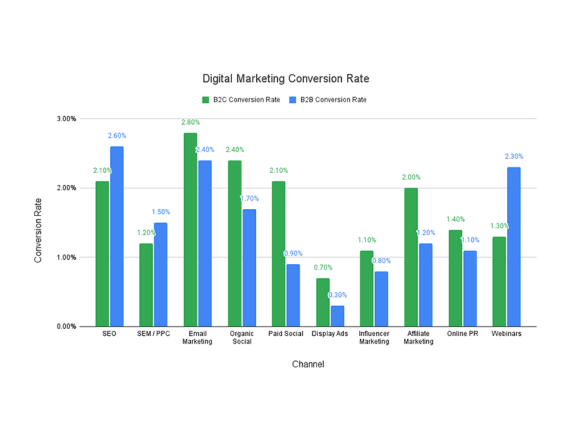
Fixing low conversion rates in digital marketing requires a comprehensive approach that involves analyzing your current strategies, identifying weaknesses, and implementing targeted solutions. Start by examining your website or landing pages to ensure they are user-friendly, mobile-responsive, and optimized for conversions. Make sure your messaging is clear, compelling, and aligned with the needs of your target audience. Next, evaluate your traffic sources and targeting methods. Are you reaching the right people with your ads or content? Consider refining your audience targeting to focus on high-value prospects who are more likely to convert. Additionally, optimize your ad copy and creative to better resonate with your audience and compel them to take action. It’s also crucial to analyze your conversion funnel to identify any bottlenecks or friction points that may be hindering conversions. Simplify the process as much as possible and remove any unnecessary steps or distractions. Implementing trust signals such as customer testimonials, guarantees, and security badges can also help instill confidence and encourage conversions. Regularly monitor and analyze your campaign performance using analytics tools to track key metrics such as click-through rates, conversion rates, and return on investment. Use this data to iterate and refine your strategies over time, continually testing and optimizing to improve results. Ultimately, fixing low conversion rates requires a combination of strategic thinking, data analysis, and ongoing optimization efforts to ensure your digital marketing efforts are driving maximum results.
What are the most common reasons for low conversion rates in digital marketing?
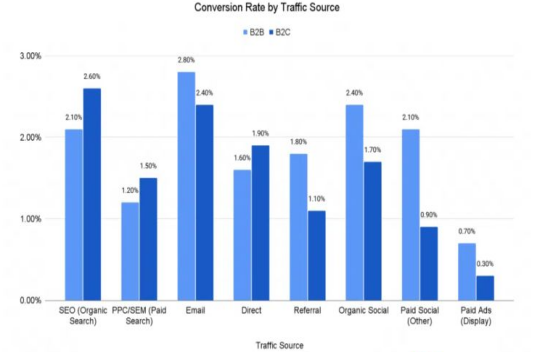
Several factors can contribute to low conversion rates in digital marketing. Firstly, ineffective targeting may result in reaching the wrong audience or failing to engage with high potential prospects. Poorly designed or confusing landing pages can deter visitors from taking action, as can overly complex or lengthy conversion funnels that create friction. Weak or irrelevant messaging that fails to resonate with the audience’s needs and desires can also lead to low conversion rates. Additionally, issues with website performance, such as slow loading times or technical errors, can hinder the user experience and impact conversions negatively. Furthermore, insufficient trust signals or credibility markers may make potential customers hesitant to complete a conversion. Finally, inadequate tracking and analysis of campaign performance can result in missed opportunities for optimization and improvement. Addressing these common issues requires a thorough evaluation of your digital marketing strategy and implementing targeted solutions to enhance targeting, user experience, messaging, trust, and performance monitoring.
Poor Website Design
Weak Value Proposition
Lack of Social Proof
Friction in the Conversion Process
Inadequate Testing and Optimization
Misalignment with Your Audience
Poor Website Design

Poor website design can significantly contribute to low conversion rates in digital marketing campaigns. A website that is outdated, cluttered, or difficult to navigate can deter visitors from engaging with your content or taking desired actions. Slow loading times, confusing layouts, and broken links create frustration and impede the user experience, leading to increased bounce rates and decreased conversion rates. Additionally, a lack of mobile responsiveness can alienate a growing segment of users who access the internet primarily through smartphones and tablets. Ineffective use of visuals, such as low-quality images or overly complex graphics, can further detract from the overall appeal and professionalism of the site. To address poor website design and improve conversion rates, it’s essential to prioritize user-centric design principles, streamline navigation, optimize page loading speed, ensure mobile compatibility, and use high quality visuals that enhance rather than detract from the user experience. Regular usability testing and feedback gathering can also help identify and address any issues that may be impacting conversion rates negatively.
Weak Value Proposition

A weak value proposition can be a significant barrier to achieving high conversion rates in digital marketing efforts. Your value proposition is essentially the promise of value that you offer to your customers, explaining why they should choose your product or service over alternatives. When this proposition is unclear, unconvincing, or indistinguishable from competitors, potential customers may struggle to see the benefits of engaging with your brand, resulting in low conversion rates. A vague or generic value proposition fails to effectively communicate the unique advantages or solutions your product or service provides, making it difficult for customers to perceive its relevance to their needs or desires. To address this issue and improve conversion rates, it’s crucial to clearly articulate the specific benefits and advantages that your offering provides to your target audience. This may involve identifying and highlighting key differentiators, addressing pain points or challenges faced by your customers, and emphasizing the value that your product or service delivers in solving their problems or fulfilling their desires. A compelling and persuasive value proposition can help capture the attention of potential customers, establish credibility and trust, and ultimately drive higher conversion rates in your digital marketing efforts.
Lack of Social Proof
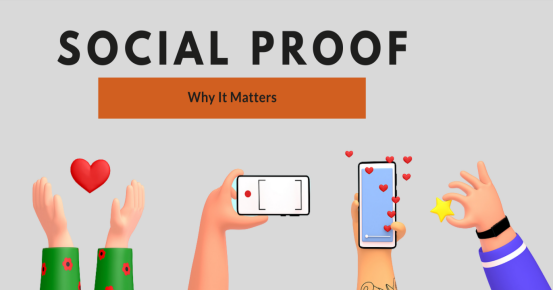
The absence of social proof can be a significant obstacle to achieving optimal conversion rates in digital marketing endeavors. Social proof refers to the influence that the actions, opinions, and behaviors of others have on our own decisions. When potential customers visit your website or engage with your marketing materials and encounter a lack of social proof, such as customer reviews, testimonials, case studies, or endorsements, they may feel uncertain or hesitant about the value and credibility of your offerings. Without tangible evidence of satisfied customers or successful outcomes, they may be less inclined to trust your brand or take the desired action, resulting in lower conversion rates. To address this issue and enhance conversion rates, it’s essential to incorporate social proof elements strategically throughout your digital marketing channels. Encourage satisfied customers to leave reviews or testimonials, showcase positive feedback and endorsements prominently on your website and marketing materials, and provide real-life examples of successful outcomes or experiences with your product or service. Utilizing social proof not only helps to build trust and credibility with potential customers but also validates the value and benefits of your offerings, making them more compelling and persuasive. By leveraging social proof effectively, you can instill confidence in your brand, alleviate doubts or objections, and ultimately drive higher conversion rates in your digital marketing efforts.
Friction in the Conversion Process

Friction in the conversion process often stands as a critical factor contributing to low conversion rates in digital marketing campaigns. Friction refers to any hurdles or barriers that make it challenging for users to complete the desired action, whether it’s making a purchase, signing up for a newsletter, or filling out a contact form. These obstacles can manifest in various forms, such as overly complicated checkout processes, lengthy forms requesting too much information, or unclear calls-to-action that leave users unsure about what to do next. When faced with friction, users may become frustrated, lose trust in the process, or simply abandon the conversion journey altogether. This results in missed opportunities and diminished ROI for digital marketing efforts. Friction can occur at any stage of the conversion funnel, from initial engagement to final conversion, and addressing it requires a holistic approach. Regular testing, monitoring, and analysis of conversion metrics are essential for identifying areas of friction and implementing targeted solutions. By prioritizing user experience and minimizing obstacles in the conversion journey, digital marketers can enhance engagement, foster trust, and ultimately drive higher conversion rates.
Inadequate Testing and Optimization

Inadequate testing and optimization can significantly contribute to low conversion rates in digital marketing campaigns. Testing and optimization are crucial processes for identifying what works and what doesn’t in your marketing strategies, allowing you to make data-driven decisions to improve performance over time. When these processes are neglected or done haphazardly, it becomes challenging to pinpoint areas for improvement and maximize the effectiveness of your campaigns. Without rigorous testing, marketers may miss out on valuable insights into audience preferences, messaging effectiveness, or the performance of different ad creatives. As a result, they may continue to invest resources in under performing strategies or overlook opportunities to optimize and refine their approach. In digital marketing campaigns can quickly become stagnant or outdated, leading to diminishing returns over time. Optimization involves continually fine-tuning various elements of your campaigns, such as ad targeting, messaging, landing page design, and conversion paths, to maximize their impact and efficiency. To address low conversion rates stemming from inadequate testing and optimization, marketers must prioritize these processes as integral parts of their digital marketing strategy.
Misalignment with Your Audience
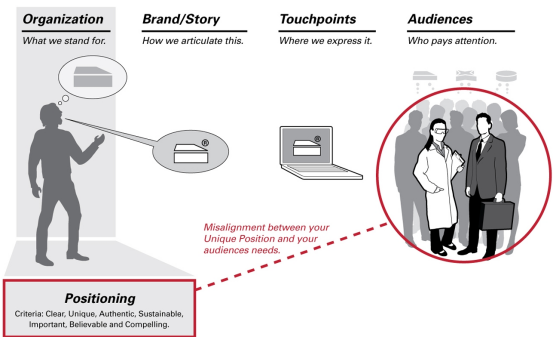
Misalignment with your audience is a common reason for low conversion rates in digital marketing campaigns. When your messaging, offers, or targeting strategies are not aligned with the needs, preferences, and behaviors of your target audience, it becomes challenging to capture their attention and compel them to take action. This misalignment can manifest in several ways. Firstly, if your messaging fails to resonate with your audience’s pain points, aspirations, or interests, they may not see the relevance or value in what you’re offering, leading to disengagement and low conversion rates. Similarly, if your offers or promotions are not tailored to address the specific needs or desires of your audience segments, they may not feel compelled to act. If your targeting strategies are too broad or too narrow, you may miss the mark in reaching the right people with your marketing messages. Casting too wide a net can result in reaching individuals who are not a good fit for your product or service, while overly narrow targeting may limit your reach and potential for conversions. To address low conversion rates stemming from misalignment with your audience, it’s essential to invest time and resources in understanding your target audience deeply. This involves conducting market research, gathering customer insights, and creating detailed buyer personas to inform your marketing strategies. Tailor your messaging, offers, and targeting strategies to align with the specific needs, preferences, and behaviors of your audience segments, ensuring that your marketing efforts resonate and connect with them on a meaningful level. By aligning your digital marketing efforts with your audience, you can increase engagement, build rapport, and ultimately drive higher conversion rates.